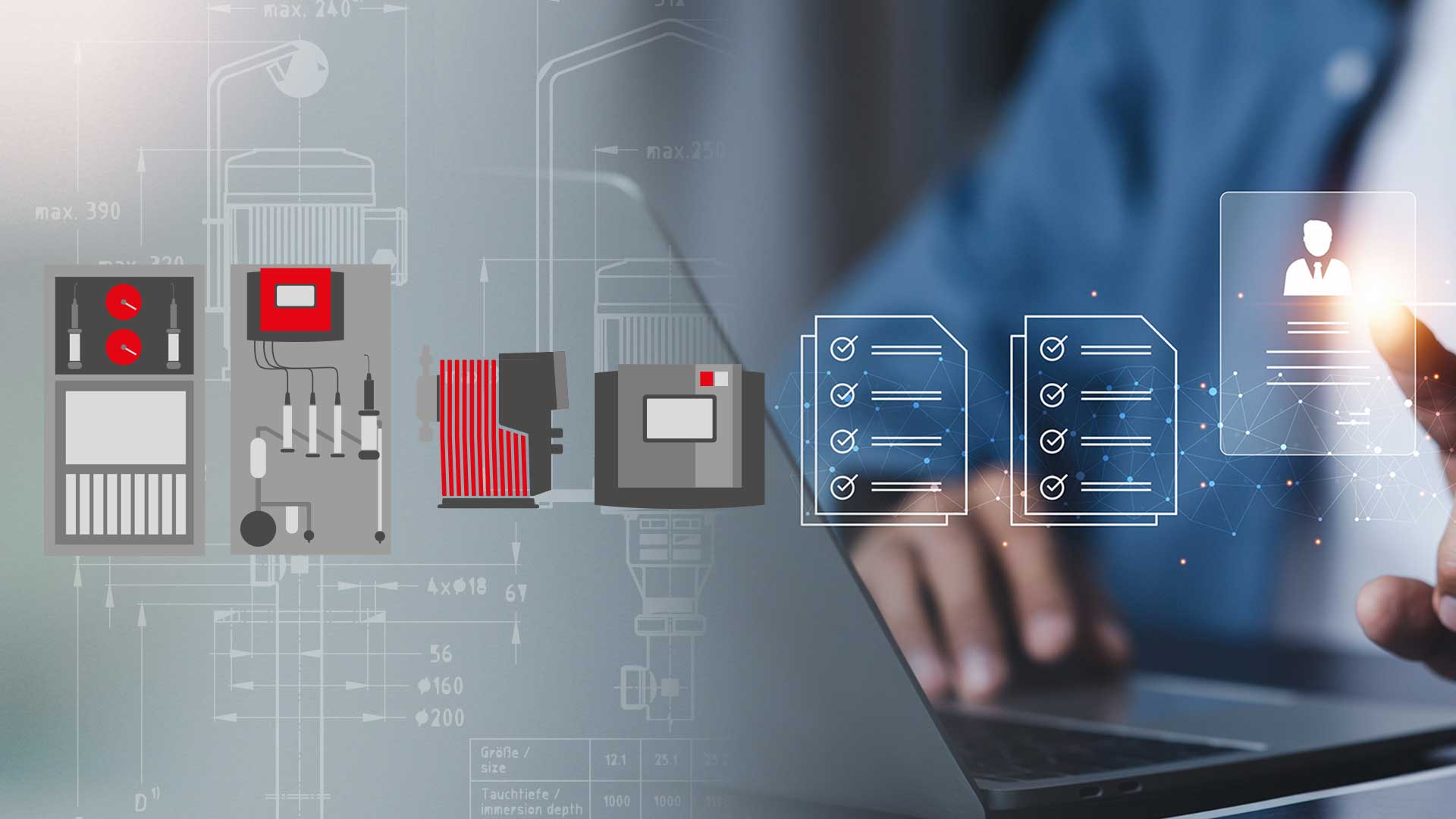
The electropolishing process and its challenges
In electropolishing systems, the workpieces pass through several process baths: the electrochemical polishing process, cooling, pickling, neutralisation and rinsing. The process effluent produced in this way is contaminated with corrosive electrolyte residues. It flows via an overflow basin into a collection container and must be properly treated before being discharged into the local sewerage system. This requires a reliable combination of efficient conveying and dosing technology, which must be precisely tailored to the plant’s requirements. The maintenance requirements of the system should also be kept to a minimum.


An overview of how wastewater treatment works
Step 1: Wastewater collection in the process water tank
The process effluent flows via an overflow basin into a collection container. The wastewater is pumped through the ceiling pipe into the process wastewater tank by the B50 centrifugal pump. In addition, process water from the baths drains away via a sump channel. The B50 centrifugal pump also pumps this waste water into the process waste water tank. The combined wastewater from the overflow tank and the sump channel is collected centrally in the process wastewater tank.
Step 2: Pumping on to the treatment tank
Another centrifugal pump conveys the waste water into the treatment tank. Its compact design allows for easy integration into existing plant layouts.
Step 3: Addition of chemicals for water treatment
MEMDOS SMART series dosing pumps are used for the precise addition of chemicals in water treatment: Sodium hydroxide, ferric chloride and flocculants. Thanks to digital control and consistent dosing accuracy, chemical consumption is optimised.
Step 4: pH-controlled lime milk dosing
The double-diaphragm pump dispenses lime milk following a pH measurement. Their resistance to chemicals makes them particularly durable.
Step 5: Mixing of chemicals and process water
An agitator ensures that chemicals and process water are thoroughly mixed, creating uniform reaction conditions and delivering a consistently high level of cleaning performance.
Step 6: Solid separation in the filter press
Another double-diaphragm pump conveys the wastewater to a filter press for the separation of solids. The result: clear water of a controlled quality.
Step 7: Connection to the sewerage system
The treated water is then safely discharged into the municipal sewerage system.
Suitable pump and dosing technology for wastewater treatment in electropolishing plants
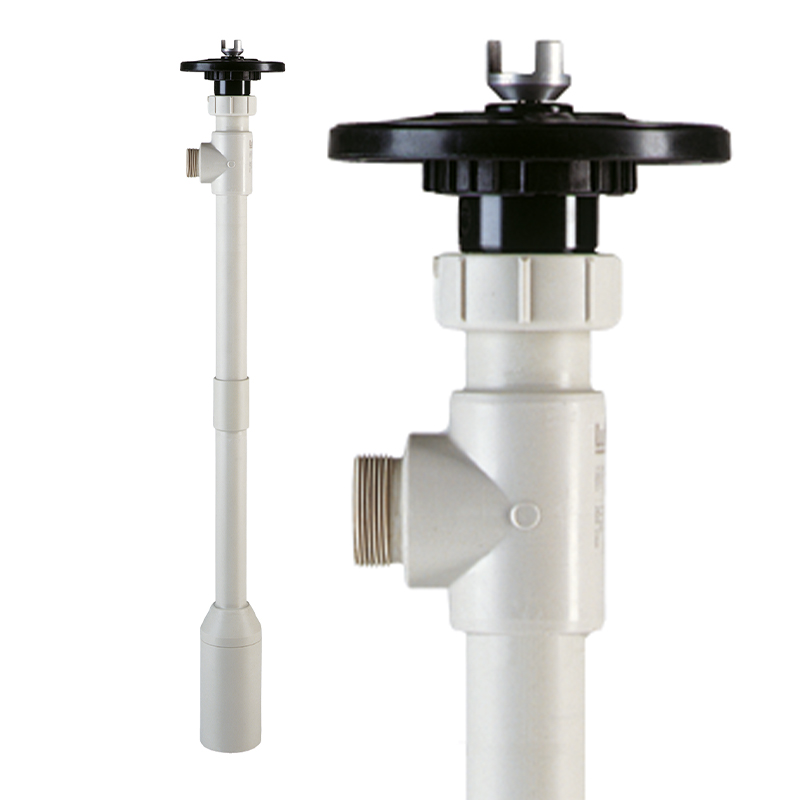
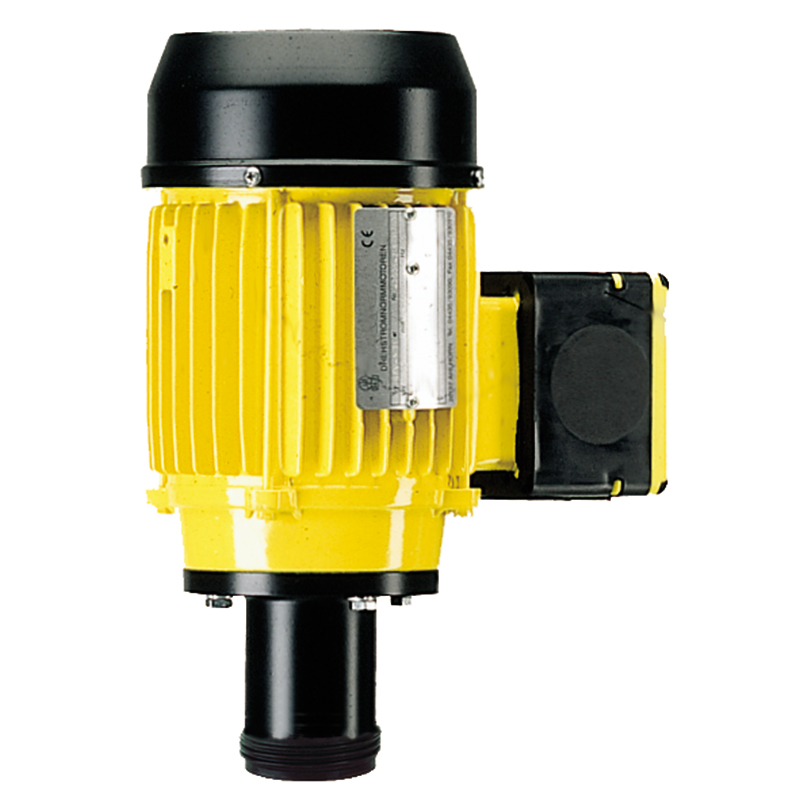
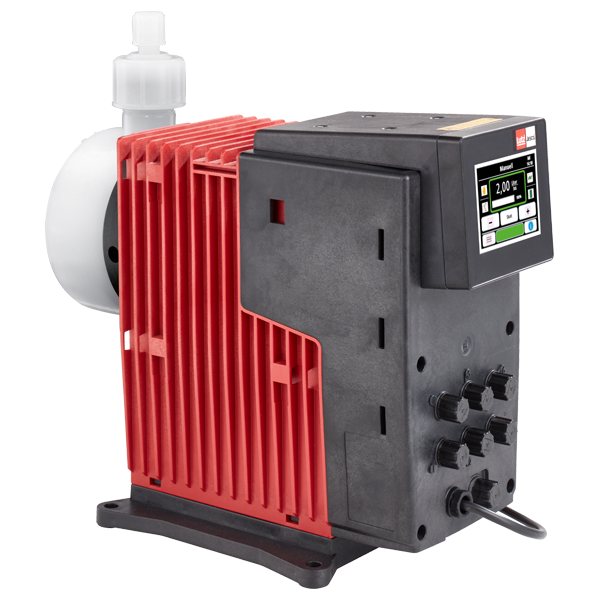

Precision wastewater treatment: for sustainability, safety and efficiency
Lutz Pumpen and Lutz-Jesco supply perfectly matched components for reliable wastewater treatment plants in the surface treatment sector. Please get in touch – we’ll help you choose the right pumps and dosing equipment for your plant.


anfrage@lutz-pumpen.de